35 years of Le Pain Quotidien
Kris’s JourneyMagazine
05 December 2025
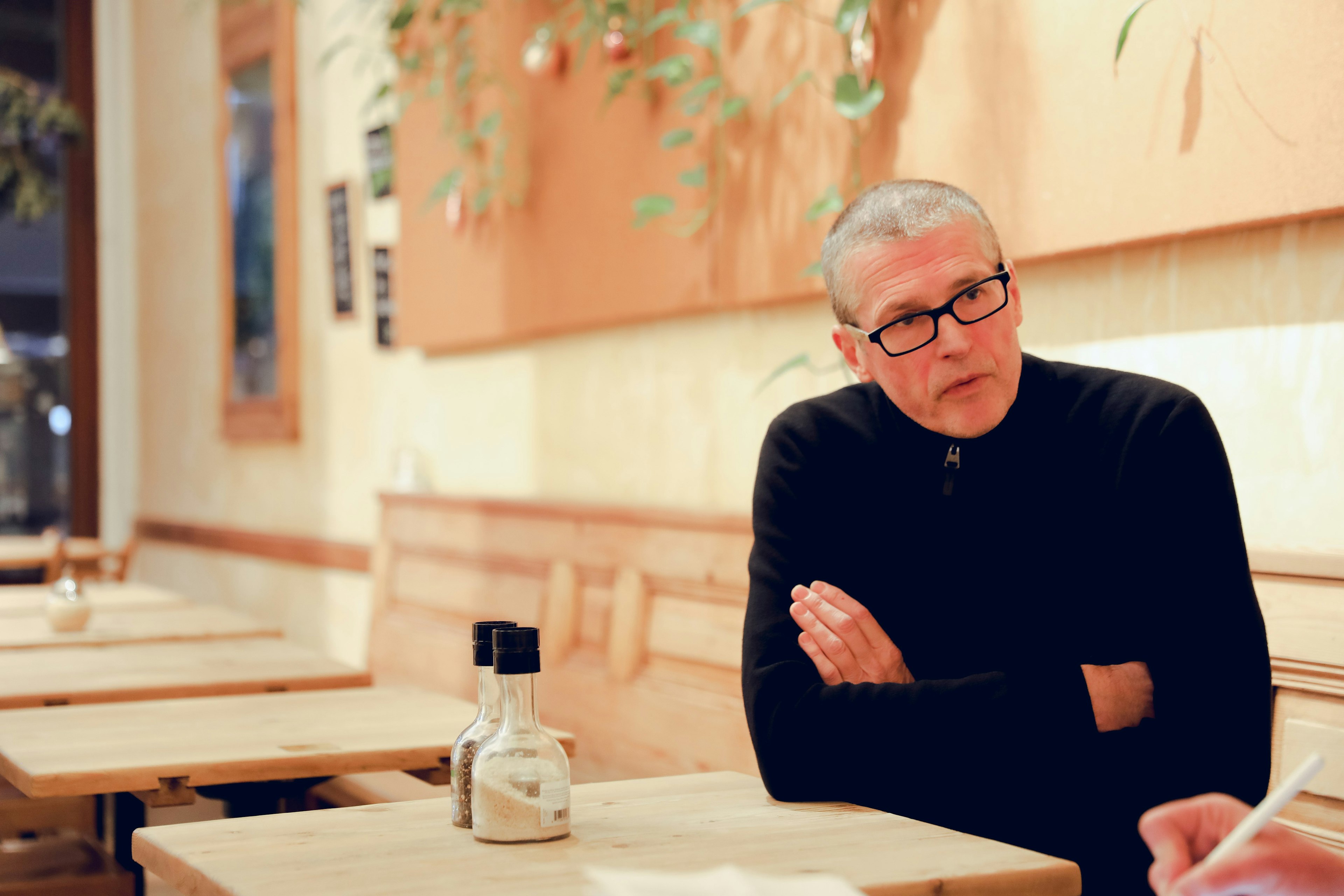
Over the past years, our company has weathered a restructuring, a pandemic health crisis, and several lockdowns, to name a few. As a group and as a brand, we are coming out stronger. While many new partners are joining the family, we felt it was important to introduce them to the story from one of the pioneers. Kris is the owner of one of the original franchisees of Alain, and it continues to grow strong today.
From PhD research to the bakery floor
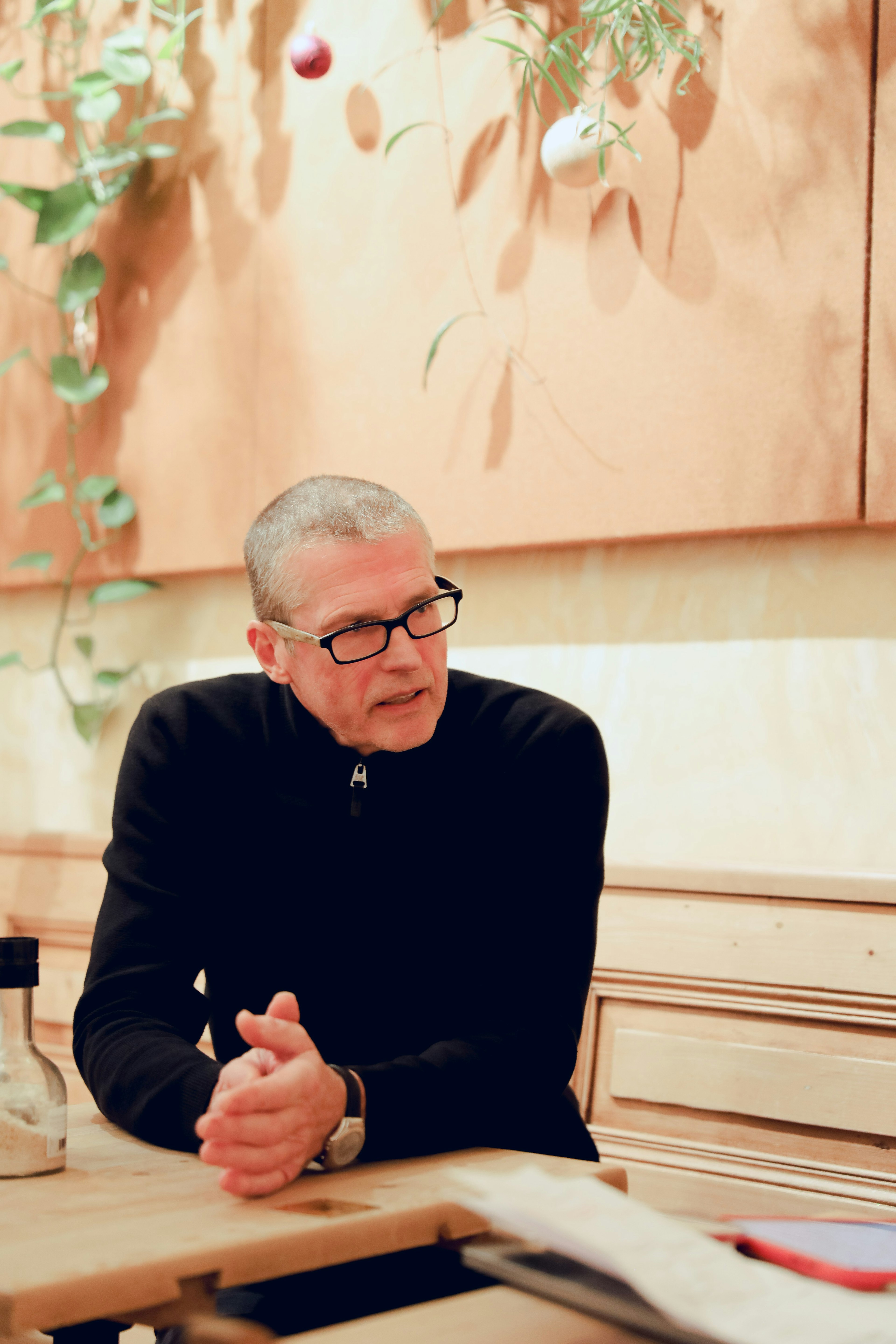
When Kris joined Le Pain Quotidien in 1994, it was just four years after Alain Coumont had opened the very first bakery in Brussels, Rue Dansaert. At the time, Kris was working on a PhD at the centuries-old University of Leuven, but he gradually realised that academic life did not match his temperament. He wanted to see a direct, tangible impact from his work rather than waiting years for results.
Although he had no formal hospitality training, food had always played a central role in his life. His grandparents ran a local pub, an uncle owned a catering business, and his mother cooked every day for a large, always-hungry family of seven. Authentic food, prepared with care, was part of everyday life – and bad food, served without interest, could still put him in a bad mood.
Discovering a different way of doing things
As Kris travelled and spent time in the mountains of Europe, he fell in love with the simplicity and authenticity of alpine life: living close to nature, eating local and seasonal products, and enjoying dishes with very few ingredients but a lot of soul. Goat cheese, sourdough bread from a wood-fired oven, a slice of dried meat or a homemade liqueur – these were the flavours that stayed with him.
Back in Belgium in the late 1980s and early 1990s, he watched the food landscape change. Small butchers, bakers and fishmongers were disappearing or being absorbed into larger groups. Industrialisation brought efficiency, but at the price of quality and character. Premixes replaced traditional baking, meat was processed on a mass scale and supermarket shelves filled with standardised, anonymous products.
It was in this context that Kris first heard about Alain Coumont, a young chef-turned-baker in Brussels who swam against the current. In a modest shop called Le Pain Quotidien, Alain baked only organic sourdough bread, with no industrial or artificial ingredients. He offered a deliberately limited range of simple products, served in a “shabby” room next to the bakery where guests shared a single communal table. At a time when smoking was still allowed almost everywhere indoors, he introduced a strict non-smoking policy. Many believed it would never work – but Kris was fascinated.
A calling in Leuven
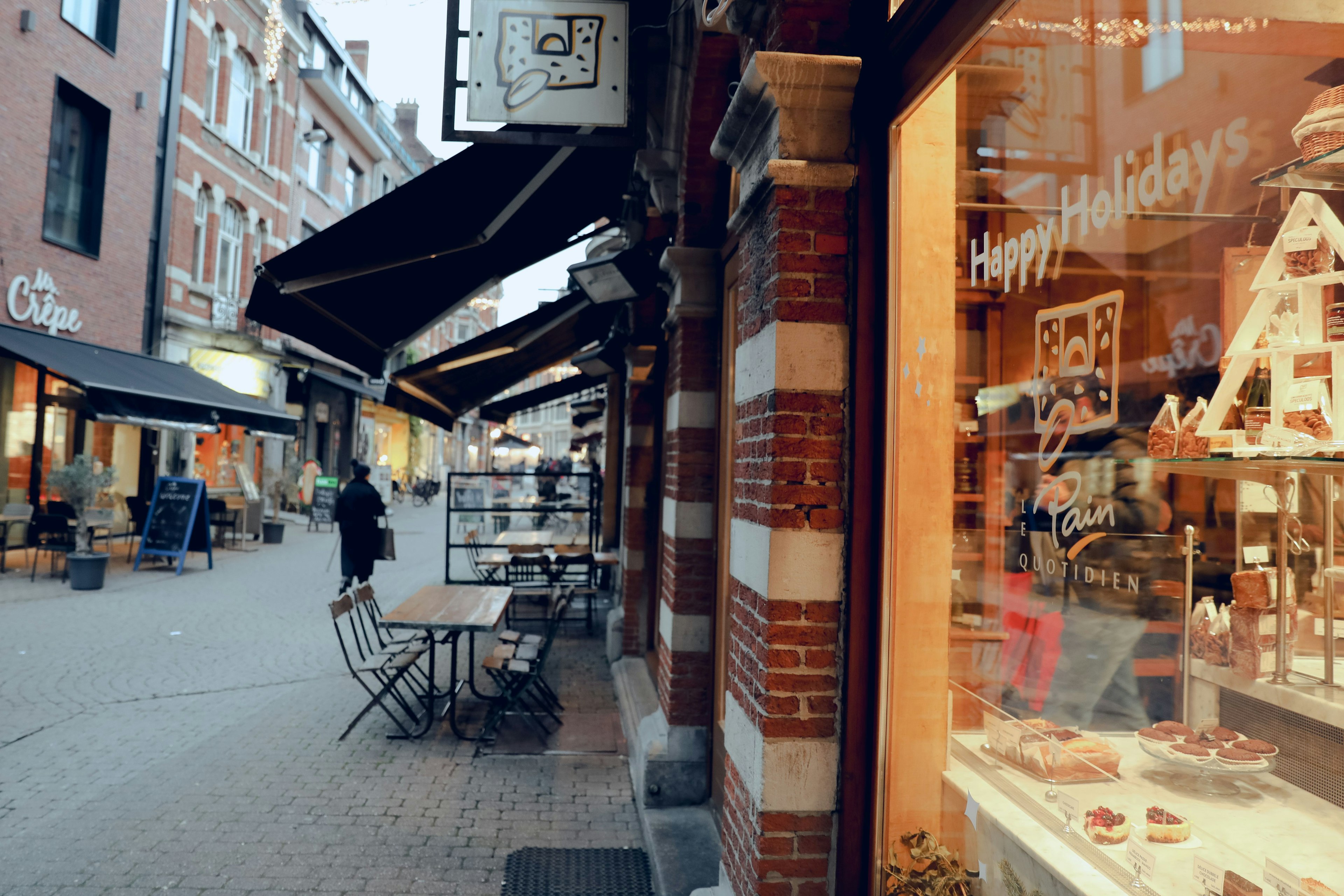
Around the same time, the owners of a small homemade pasta restaurant that Kris often visited in Leuven decided to take a franchise licence with Alain. When he heard the news, Kris spontaneously offered to manage the new Le Pain Quotidien. To his surprise, they accepted. That decision became a turning point. For the first time in his professional life, he felt completely in his element.
The first franchise contract was a simple, one-page agreement focused mainly on sourcing bread and viennoiserie from Alain’s atelier in Brussels. There were no brand royalties, no central marketing, and the menu in Leuven was a loose interpretation of the original one in Dansaert. Yet something powerful was already taking shape. As Kris met other early Belgian franchisees, he realised that Alain had not chosen them for their financial strength or track record but for their mindset and values. That shared foundation of simplicity, authenticity, quality and conviviality is, to this day, what Kris sees as one of Le Pain Quotidien’s greatest strengths.
Growing without losing your soul
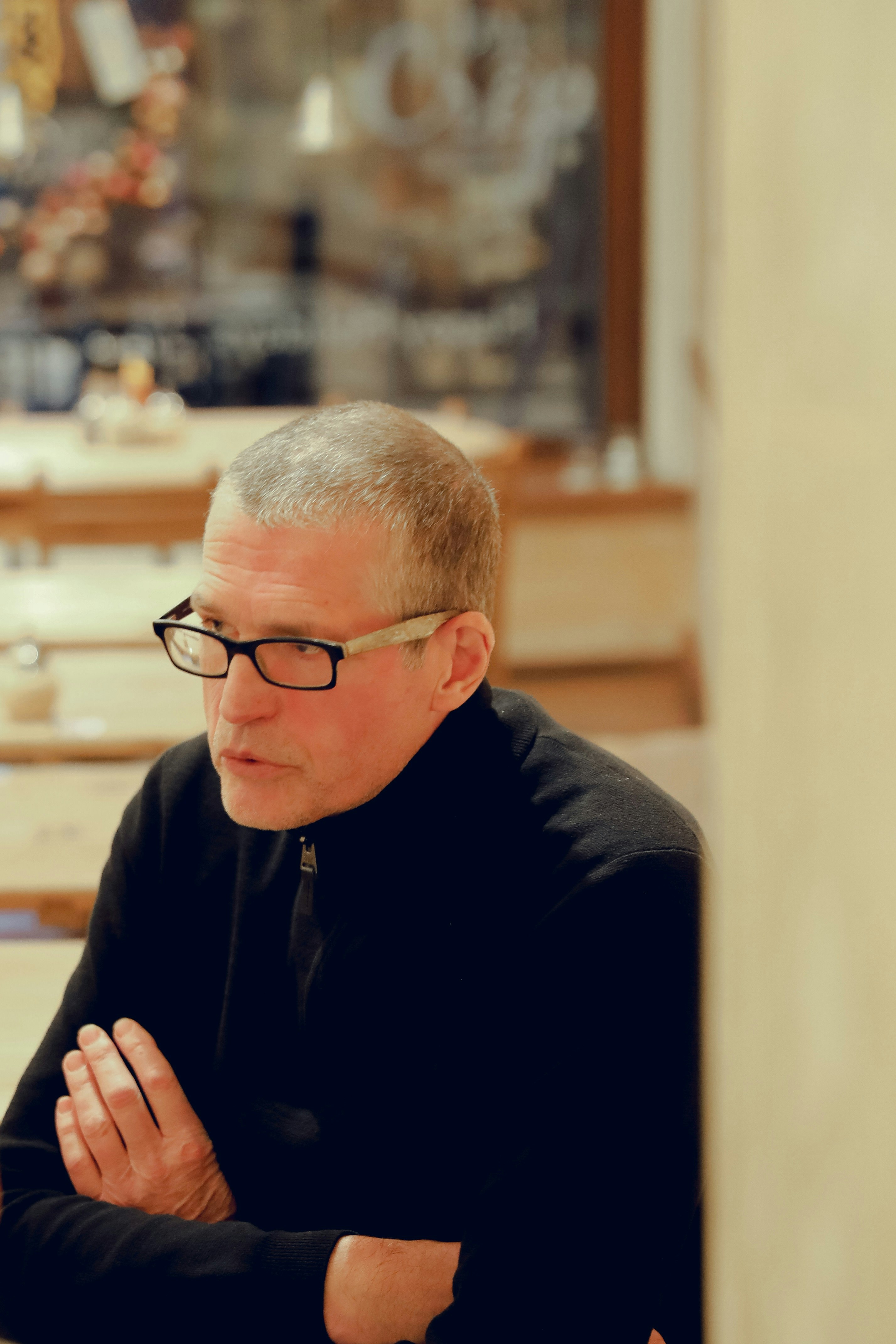
Looking back, Kris often hears the same question: how did Le Pain Quotidien grow from 10 bakeries in Belgium to more than 230 worldwide without losing its original spirit? For him, the answer lies in the way the brand’s culture has been transmitted – not through a 500-page rulebook, but through example. In his view, strong, authentic brands work like families: children do not need everything written down in manifestos to understand what matters; they absorb the values that are lived every day and pass them on in turn.
Today, Kris feels there is a healthy balance between brand guidance and freedom. There is room for discussion, and disagreement does not prevent collaboration. Over the years, some of his ideas have found their way into the global brand, such as the insistence on homemade drinks instead of commercial soft drinks or the goat cheese salad that first appeared as a Leuven specialty. This spirit of co-creation continues to be encouraged and is seen as a key driver of future development.
What the brand brings to a franchisee
After three decades, Kris sees two main benefits in the franchise model: the power of the brand and the support that comes with it. The core values that inspired him in the early 1990s – simple, organic, local food with an ecological conscience and attention to animal welfare – are, in his opinion, more relevant than ever. The pandemic has only accelerated people’s desire for a healthier lifestyle and more meaningful choices. Because Le Pain Quotidien has stayed true to its principles, the concept has become what he calls a “love brand” for a wide and diverse audience.
In Leuven, that inclusiveness is visible every day. Young parents with children, retirees, students, entrepreneurs, artists, craftspeople, and business people all share the same communal tables. For Kris, this social mix is a sign of trust and one of the most valuable assets the brand gives him as a partner. He sees himself as a guardian of that DNA and believes it offers strong potential for sustainable growth.
Kris's biggest advice: "Finding the right place and the right people."
If he had to give advice to new franchise partners, Kris would start with immersion. In his view, future franchisees should read the founder’s books, talk to people inside the network and do everything they can to understand the brand’s culture and “otherness”. Being physically present in the restaurant – from taking croissants out of the oven to watching hosts interact with guests – is, for him, the best way to grasp the implicit values that cannot be captured in manuals.
Location is the second crucial factor. For Kris, the success of the Leuven bakery is closely linked to its neighbourhood: busy enough to ensure footfall, but with a charm and alternative atmosphere that no gentrified high street can replicate. At one point, the restaurant became so popular that queues were forming out the door. Kris spent years searching for a second location, but nothing matched his criteria. When the shop next door became available, he immediately seized the opportunity to expand in place.
Finally, Kris emphasises the role of the franchisee as an employer. He does not see his team members as simple staff but as ambassadors of the brand. Managers who spend their days in the back office, far from guests and hosts, miss the essence of the job. When recruiting, he prioritises personality, authenticity and character over experience, convinced that skills can be trained but genuine warmth cannot. This is how, in his eyes, a Le Pain Quotidien becomes a place people discover, return to and eventually consider as their own.
A story still being written
After 35 years, Kris’s enthusiasm for Le Pain Quotidien remains anchored in the same elements that attracted him at the beginning: organic sourdough bread, simple honest food and meaningful human connections around a shared table. His journey from the university corridors of Leuven to the daily life of a busy bakery-restaurant shows how a clear set of values can guide growth without diluting the original vision.
For Kris, the real success of Le Pain Quotidien is not just measured in the number of bakeries around the world, but in the ability to stay true to what made the first bakery on Rue Dansaert so special – one loaf, one guest and one conversation at a time.
Continue reading
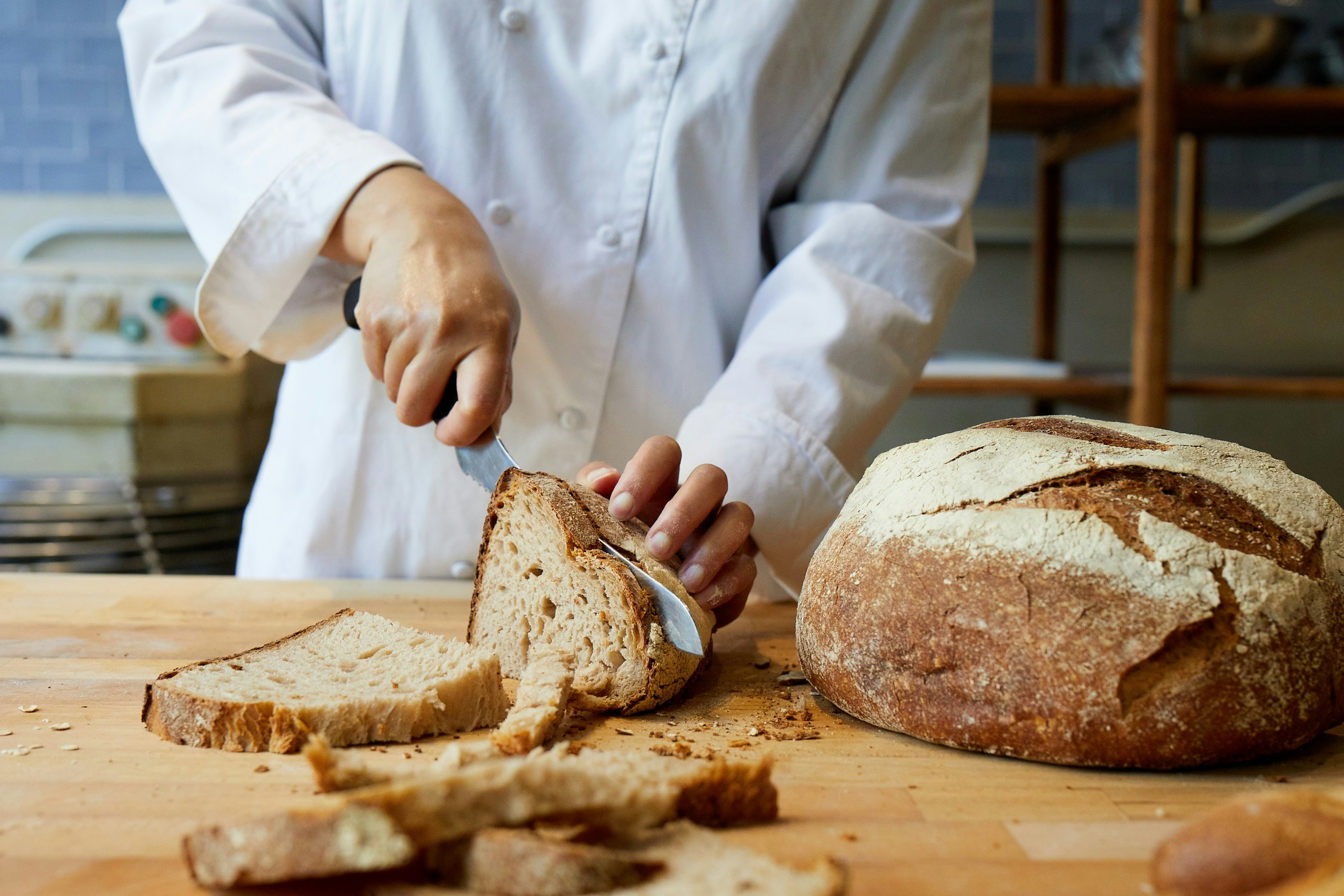
Is European Bread Really Better?
Americans traveling abroad often rave: “The bread in Europe just feels better!” A recent New York Times feature asks why so many people report eating baguettes, croissants, or pizza in Paris or Rome with “zero discomfort”—while back home, a sandwich loaf leads to bloating or foggy fatigue. There are real reasons behind this bread divide, and Le Pain Quotidien’s approach puts these findings into practice daily.
Read article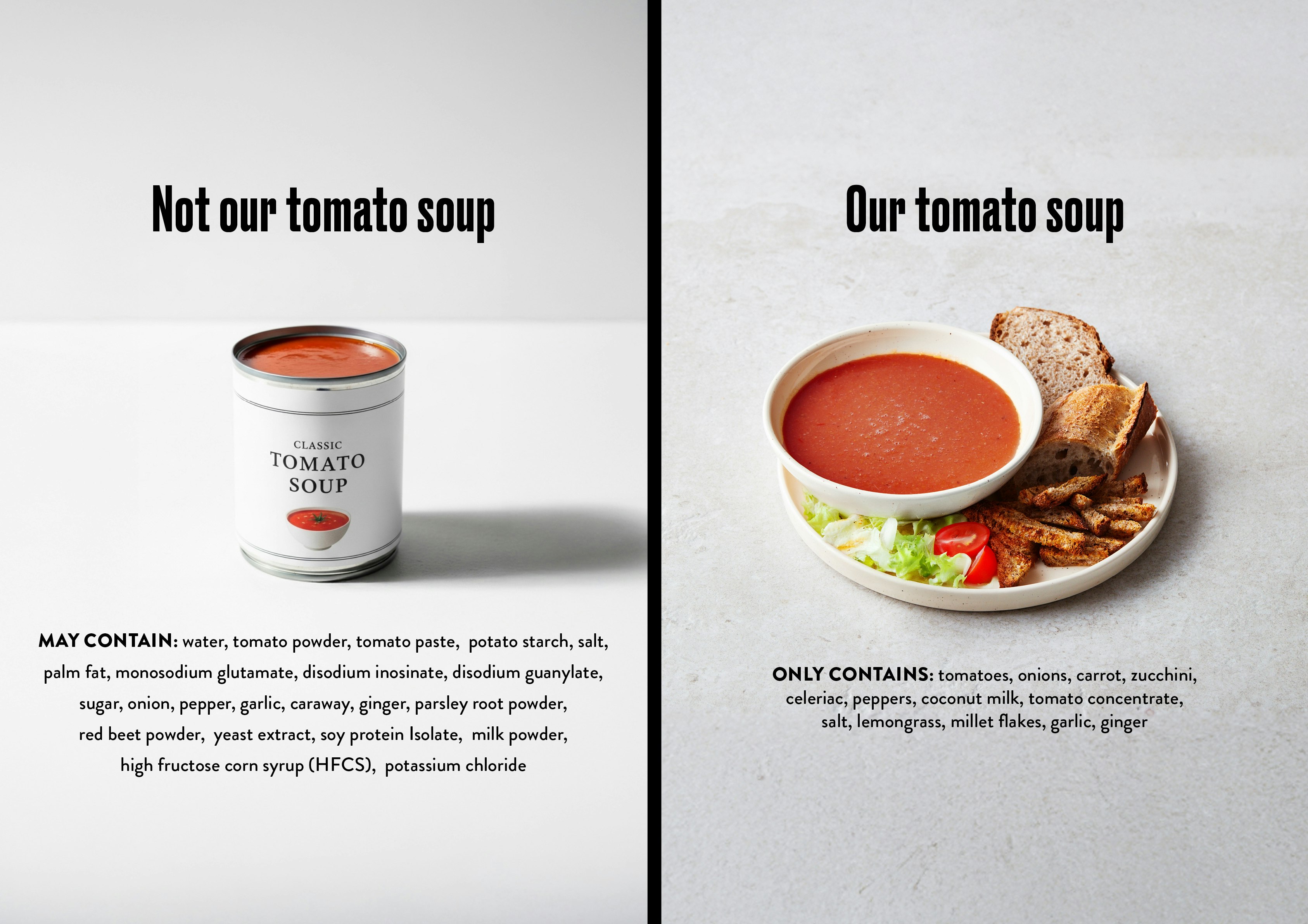
Clean eating
Clean eating at Le Pain Quotidien is a philosophy woven into every dish we offer, guided by a simple commitment: food should be honest, natural, and minimally processed. While our sourdough bread is a signature example, our dedication extends to everything we serve, from the first spoonful of yogurt to each glass of juice or bowl of granola.
Read articlePlease, Take Your time.
Welcome homeLe Pain Quotidien means "the daily bread". And to us, that means everything. It’s much more than mere sustenance; it’s a way of life.
Simple. Fresh. Honest.
Our dishesOur menu celebrates natural, honest ingredients, prepared freshly every day. And at the heart of it all is the bread that brings everything together.